

As businesses grow and technology evolves, many companies reach a critical decision point: Should you redesign your existing website or start fresh with a completely new one?
Both options can improve performance, branding, and lead generation — but choosing the wrong approach can waste time, budget, and opportunities.
In this guide, we’ll break down the differences between a website redesign and a new website build, explain when each option makes sense, and help Toronto businesses make the smartest investment for 2025 and beyond.
Table of Contents
- Why Businesses Reevaluate Their Websites
- What Is a Website Redesign?
- What Is a New Website Build?
- Signs You Only Need a Website Redesign
- Signs You Need a Completely New Website
- Cost Differences: Redesign vs New Website
- SEO Considerations When Updating a Website
- Performance and Technology Factors
- User Experience and Conversion Improvements
- Common Mistakes Businesses Make
- How Creative Scope Helps Businesses Decide
- Conclusion
Why Businesses Reevaluate Their Websites
Your website should evolve alongside your business. Many companies revisit their website when they notice:
- Declining leads or conversions
- Outdated design or branding
- Poor mobile performance
- Slow loading speeds
- Difficulty updating content
- Weak search engine rankings
The key question isn’t whether change is needed — it’s how much change is required.
What Is a Website Redesign?
A website redesign improves the existing site while keeping its core structure or platform intact.
Typical redesign updates include:
- Visual design refresh
- Improved layouts
- Updated branding
- Better navigation
- UX improvements
- Performance optimization
A redesign enhances what already works rather than rebuilding from scratch.
What Is a New Website Build?
A new website involves rebuilding the site from the ground up, often using a new platform, structure, or strategy.
This process typically includes:
- New site architecture
- New CMS or technology
- Complete UX redesign
- SEO restructuring
- Fresh content strategy
A new build is essentially a digital restart designed for long-term growth.
Signs You Only Need a Website Redesign
A redesign may be the right choice if:
✅ Your website platform still works well
✅ Pages load quickly
✅ SEO rankings are stable
✅ Content structure makes sense
✅ You mainly need visual and UX improvements
For example, businesses with outdated visuals but strong SEO foundations often benefit from redesign rather than replacement.
Signs You Need a Completely New Website
A full rebuild is usually necessary when:
❌ Your website is difficult to update
❌ It isn’t mobile-friendly
❌ Performance is slow despite fixes
❌ SEO structure is poor
❌ Technology is outdated
❌ The site wasn’t built strategically
Older websites built years ago often lack modern UX and SEO standards, making rebuilding more cost-effective long term.
Cost Differences: Redesign vs New Website
Here’s a general comparison for Toronto businesses:
| Project Type | Typical Cost Range |
|---|---|
| Website redesign | $3,000 – $8,000 |
| Professional new website | $5,000 – $12,000+ |
| Advanced rebuild | $12,000 – $30,000+ |
While redesigns cost less upfront, rebuilding can deliver stronger long-term ROI when major improvements are needed.
SEO Considerations When Updating a Website
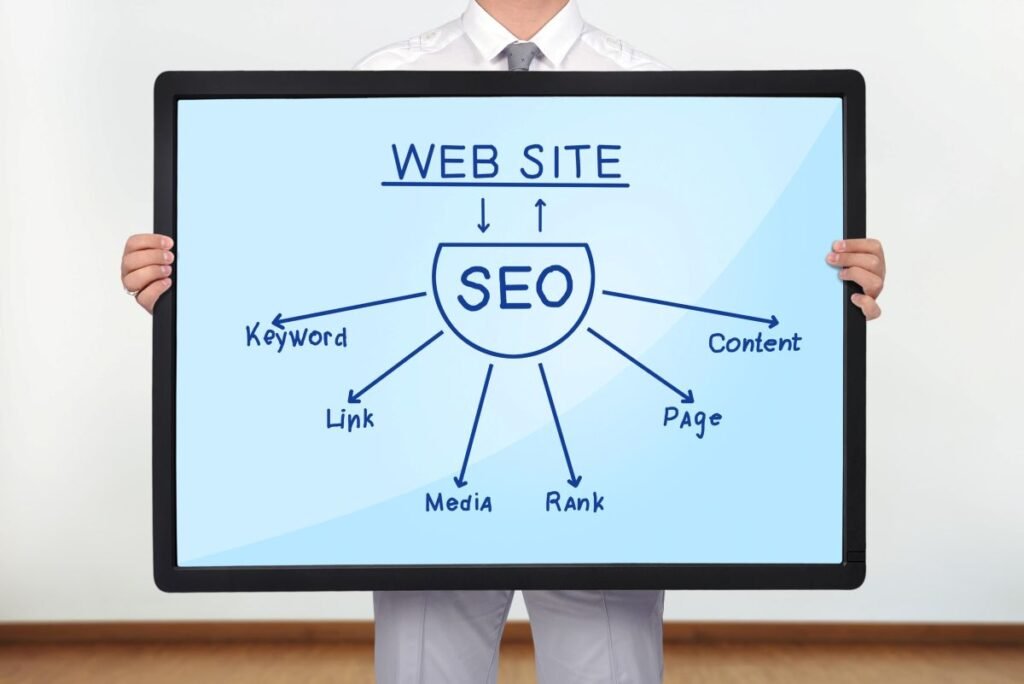
SEO is one of the biggest risks during website changes.
A redesign or rebuild must preserve:
- Existing rankings
- URL structures
- Redirect mappings
- Indexed pages
- Metadata and schema
Without proper planning, businesses can lose valuable Google rankings overnight.
Professional agencies ensure SEO continuity during transitions.
Performance and Technology Factors
Modern websites must meet higher technical standards than ever before.
New builds allow:
- Faster frameworks
- Cleaner code
- Improved Core Web Vitals
- Better security
- Scalability for future features
If your current technology limits performance, rebuilding is often the smarter solution.
User Experience and Conversion Improvements
Whether redesigning or rebuilding, improving UX should be a primary goal.
Modern websites focus on:
- Clear messaging
- Strategic calls-to-action
- Mobile-first design
- Faster navigation
- Lead-generation optimization
A website should guide visitors toward action — not just display information.
Common Mistakes Businesses Make
Many companies make costly decisions by:
- Choosing redesign when technology is outdated
- Rebuilding unnecessarily when minor improvements would work
- Ignoring SEO during updates
- Prioritizing visuals over performance
- Selecting solutions based only on price
A strategic evaluation prevents wasted investment.
How Creative Scope Helps Businesses Decide

At Creative Scope, we start every project with a website audit to determine the smartest path forward.
We evaluate:
✔ Website performance
✔ SEO health
✔ User experience
✔ Conversion opportunities
✔ Platform scalability
Based on real data, we recommend either a redesign or a full rebuild — whichever delivers better business results.
Our goal isn’t just a nicer website — it’s measurable growth.
Conclusion
Choosing between a website redesign and a new website depends on your current platform, performance, and long-term goals. A redesign works well when your foundation is strong, while a new build is ideal when technology or strategy needs a complete reset.
Making the right decision ensures your investment improves visibility, user experience, and lead generation.
Creative Scope helps Toronto businesses modernize their websites with strategies designed for performance, scalability, and growth.