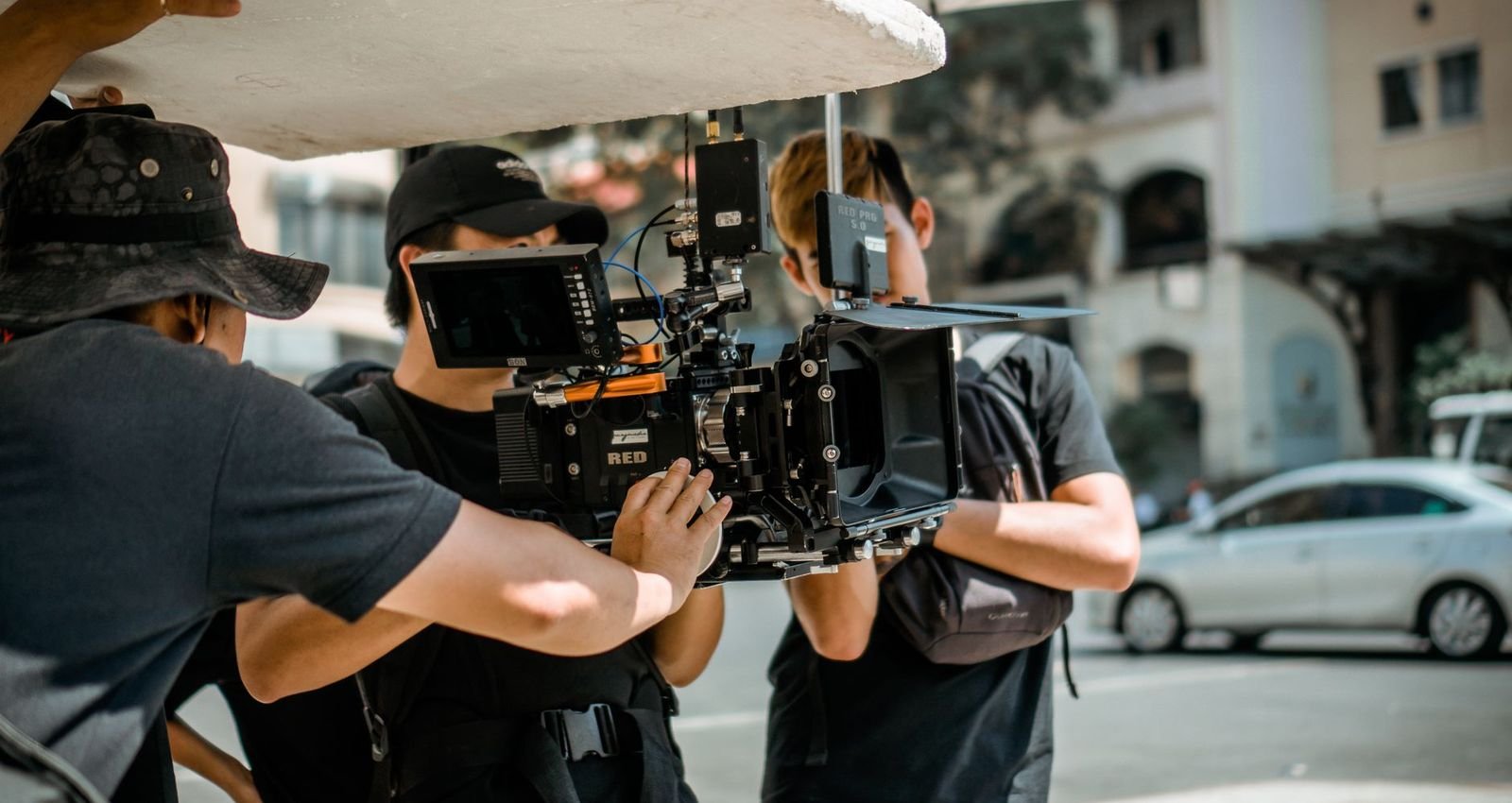
Content creation in Toronto costs roughly $800–$2,000 for a half-day photo shoot, $1,500–$4,000 for a full photo day, $2,500–$10,000 for a day of video with a small crew, and $3,000–$15,000 a month for an ongoing content retainer in 2026. Editing, usage rights, talent and locations are what push a project from the bottom of those ranges to the top.
Those are typical market ranges for the Greater Toronto Area, not a quote. This guide breaks down how photo and video production is priced, what crew size and post-production actually add, what UGC creators cost, and how to get a month or more of usable content out of a single shoot day.
How content production is priced
Almost every photo and video quote in Toronto is built from the same four blocks, whether it comes from a freelancer or an agency.
- Pre-production. Concept, shot list, storyboards, casting, location scouting, scheduling. Often 15–25% of the budget, and the part most likely to be cut.
- Production. The shoot itself, priced by half day (around four hours) or full day (eight to ten hours), multiplied by crew size and gear.
- Post-production. Selects, retouching, colour grading, video editing, captions, sound, motion graphics and exports for every format.
- Usage and extras. Licensing terms, talent fees, studio or location rental, permits, travel and insurance.
Freelancers often quote production only and price editing per image or per hour. Agencies and studios usually quote the whole cycle as one fee. Neither is wrong, but you can only compare them once both are broken into those four blocks.
2026 Toronto content creation cost ranges
Typical market ranges for the GTA in 2026, in Canadian dollars before HST.
| Item | Typical 2026 range | What it usually covers |
|---|---|---|
| Half-day photo shoot | $800–$2,000 | One photographer, about four hours, basic edit of selects |
| Full-day photo shoot | $1,500–$4,000 | One photographer plus assistant, eight hours, edited selects |
| Solo videographer day | $1,200–$3,000 | Shooter with camera and audio kit; editing quoted separately |
| Small video crew day | $2,500–$10,000 | Director or producer, camera operator, sound, lighting |
| Brand film (60–90 seconds) | $10,000–$50,000+ | Concept, script, crew, talent, edit, grade, music licensing |
| Photo retouching | $10–$150 per image | Basic correction at the low end, high-end product or beauty at the top |
| Video editing | $75–$175 per hour | Cutting, captions, colour, sound; social cutdowns often $150–$600 each |
| UGC creator video | $150–$1,500 per video | Creator-shot short video; paid-ad usage often extra |
| Studio rental | $75–$250 per hour | Space, backdrops, basic lighting; day rates often discounted |
| Monthly content retainer | $3,000–$15,000 per month | One to two shoot days, editing, design, and a growing library |
The bottom of each range is a capable independent with their own kit. The top is a senior team, a producer on set and a proper post-production pipeline. Product photography for e-commerce is often priced per image instead, typically $25–$150 per finished image depending on styling and retouching.
What crew size does to the number
Crew size is the biggest single lever on a shoot day, and it is also where the quality jumps.
One person: $800–$3,000 a day
A photographer or videographer working alone can produce excellent content for headshots, simple product work, events and behind-the-scenes footage. The ceiling is attention: one person cannot light, direct talent, monitor sound and watch continuity at the same time.
Two to four people: $2,500–$10,000 a day
Adding a producer or art director, an assistant and a dedicated sound or lighting person is where most brand and social content should sit. Someone owns the shot list while the shooter owns the frame. Setups move faster, so you get more usable variety in the same hours.
Five or more: $10,000 a day and up
Full crews with a director, director of photography, gaffer, grip, sound, hair and makeup, and a stylist are for brand films, TV-quality commercials and campaigns with talent. The per-day number is high, but the output is built to run for a year.
Post-production: the half nobody budgets
Editing routinely costs as much as the shoot. A full day of video can produce two to four days of editing once you count selects, the main cut, colour, sound, captions and a set of vertical and square cutdowns for each platform. Photography is lighter but not free: culling hundreds of frames, colour-matching them to a brand look and retouching the heroes takes time.
Two things keep post-production under control. First, a locked shot list, so nobody is editing their way out of a missing shot. Second, deciding the formats before the shoot: 9:16 for Reels, TikTok and Stories, 4:5 or 1:1 for feeds, 16:9 for the website and YouTube. Shooting vertically on purpose is cheaper than cropping a landscape frame afterwards.
UGC creators: cheaper, not free
User-generated-style content from creators is the cheapest per-video line on the table, typically $150–$500 per video from newer creators and $500–$1,500 from established ones. It works well in paid social because it looks native to the feed.
What raises the real cost is everything around the video: sourcing and vetting creators, shipping product, writing briefs, chasing reshoots, and negotiating usage. A creator's base rate often covers organic posting only. Running their video as a paid ad, or through their own handle as a partnership ad, is usually priced as an add-on, and the length of that licence matters. Budget the programme, not the video. For how UGC fits into paid campaigns, our team's guide to UGC in Facebook ads covers the creative side.
What else drives the price
- Usage rights. Who can use the content, where, and for how long. Organic social only is cheapest; paid advertising, broadcast, out-of-home and perpetual buyouts cost more. Ask for usage terms in writing, and ask who owns the raw files.
- Talent. Friends and staff cost nothing but time. Non-union models and actors in Toronto are typically paid by the hour or day, plus usage. Union performers under ACTRA agreements are paid at negotiated scale rates with usage terms attached, which is the right choice for commercials and a significant cost line.
- Locations. Your own premises are free. Rented homes, restaurants and studios run from a few hundred to a few thousand dollars a day, and travel time between locations eats shooting hours.
- Permits. Filming on City of Toronto property, such as streets, sidewalks and parks, goes through the City's film office. Productions must provide a certificate of general liability insurance of at least $2,000,000 naming the City as an additional insured, and parks need a few business days' notice. Private property needs the owner's written permission; transit property has its own process. Small handheld shoots are not exempt from thinking about this, so check before you book.
- Styling, hair and makeup. Usually $400–$1,200 a day per specialist. Worth it on any shoot with people on camera.
- Turnaround. Rush editing commonly adds 25–50%.
The question that saves the most money
"Where will each asset live?" Answer it before you book anyone. A shoot briefed by channel (Reels, feed, product pages, ads, email) produces content that gets used. A shoot briefed as "some nice photos" produces a hard drive.
One-off shoots vs retainers and content libraries
A one-off shoot is right when you need a specific set: new headshots, a product launch, a website refresh. The problem is runway. Social and paid channels use content quickly, and a single shoot typically covers four to six weeks of posting before the feed starts repeating itself.
A retainer, typically $3,000–$15,000 a month in Toronto depending on volume, trades the one-off price for a rhythm: one or two shoot days a month, ongoing editing and design, and a library that keeps growing. The real deliverable is the library. Everything tagged, named and exported to platform sizes, so your social, ads and web teams pull from one source instead of asking for files. When we ran content for ACCA, documentary-style photo, video and graphics fed a weekly publishing cadence that lifted Instagram views 37% and engagement rate 25% over the campaign. Content worked because it kept arriving.
Planning a shoot or a content programme?
Get a library that lasts months, not a folder that lasts weeks.
Creative Scope produces photo, video and graphic design in-house in Toronto, under one art direction, with everything delivered into an organised library you own. A free call gets you a straight recommendation on a one-off shoot or a retainer.
See our content creation servicesHow to get more from one shoot day
- Plan the month, not the day. List the posts, ads and pages you need for the next four to six weeks and work back to shots.
- Write a ranked shot list. Must-haves first, nice-to-haves last. If the day runs long, you lose the extras, not the hero.
- Shoot photo and video together. A hybrid crew on the same set captures stills, vertical clips and B-roll from one lighting setup.
- Capture every format on set. Vertical and horizontal versions of key moments, plus clean plates with room for text.
- Build in variety cheaply. Two wardrobe changes, three backgrounds and a handful of props multiply the looks without new locations.
- Grab B-roll and details. Hands, textures, process and environment shots are the glue for edits and ads for months.
- Edit for reuse. Ask for a library, not a gallery: named, tagged and exported for each platform.
Our brand photoshoot planning guide goes deeper on pre-production, which is where most of these savings are won.
How to budget content creation in 2026
- Count the channels. How many posts, ads and pages a month need fresh content.
- Decide one-off or ongoing. If the channels publish weekly, a retainer usually works out cheaper per usable asset.
- Price production from the ranges above, by crew size and days.
- Match post-production to production, roughly one to one for video.
- Add usage, talent, locations and permits as separate lines.
- Add 10–15% contingency for weather, reshoots and the extra format someone asks for after the edit.
Content only pays back when it is published consistently, so plan distribution at the same time. If you need help with that half, our social media team runs the publishing side. And if you would like a second opinion on a quote, get in touch.


